
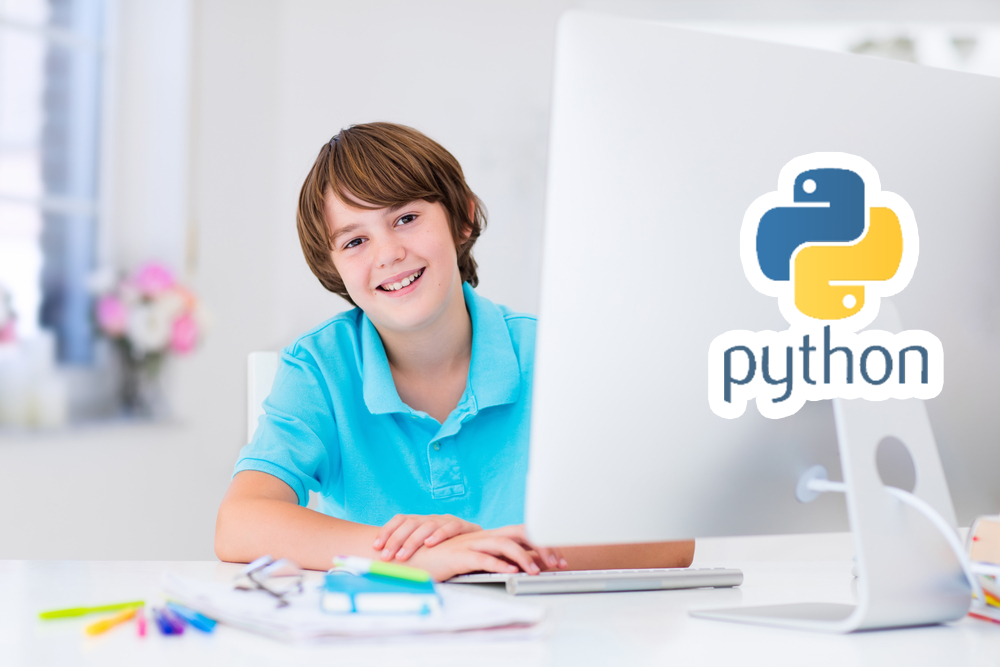
Learning to code has become an important skill for children in today’s digital world. Just like reading, writing, and mathematics, programming helps kids develop logical thinking and problem-solving abilities. Among the many programming languages available, Python is one of the best choices for beginners, especially for young learners.
Python is known for its simple and easy-to-read syntax, which makes it ideal for children who are just starting their coding journey. Unlike many other programming languages that can look complicated, Python uses clear and straightforward commands that are easier to understand. This allows young coders to focus on learning programming concepts without feeling overwhelmed by complex rules.
For kids, learning Python is not only about writing code. It is also about exploring creativity, building projects, and understanding how technology works behind the scenes. From creating simple games to automating small tasks, Python opens the door to many exciting possibilities for young learners.
Why Python is Great for Beginners
One of the biggest advantages of Python is its simplicity. The language is designed to be readable and beginner-friendly, which means children can start writing programs with just a few lines of code. This makes it easier for young coders to quickly see results and stay motivated to learn more.
Python also has a wide range of learning resources and tools designed specifically for beginners. Many educational platforms and coding programs use Python to teach the basics of programming in a fun and interactive way. With the help of visual tools and simple coding exercises, children can gradually understand how programming works.
Another reason Python is perfect for young learners is its versatility. Once students understand the basics, they can use Python to build different types of projects. For example, they can create simple games, design animations, analyze data, or even explore artificial intelligence. This variety keeps learning interesting and encourages kids to experiment with new ideas.
Python also helps develop logical thinking. When children write code, they must think step by step about how a program should work. They learn to break problems into smaller parts and find solutions through trial and improvement. These skills are valuable not only in programming but also in everyday life and future careers.
First Steps in Learning Python
Starting with Python does not require advanced technical knowledge. The first step for young coders is understanding basic programming concepts such as commands, variables, and simple instructions. These concepts help children learn how computers follow instructions written in code.
A beginner Python program might start with something simple, like printing a message on the screen. For example, a child can write a small program that displays “Hello, World!” or their own name. While this may seem simple, it introduces the idea that computers follow instructions exactly as written.
After learning basic commands, children can move on to simple concepts like variables and loops. Variables allow them to store information, while loops help repeat actions automatically. These tools make it possible to create small programs such as number games, quizzes, or simple calculators.
As students gain confidence, they can begin creating fun projects. For example, they might build a basic guessing game, generate random numbers, or create a small animation. These projects help them apply what they have learned and make coding more exciting.
Learning Python also encourages experimentation. If something does not work correctly, students can review their code, identify mistakes, and try again. This process helps them develop patience and problem-solving skills.
Building Confidence Through Coding
One of the most valuable aspects of learning Python is the confidence it builds in young learners. When children create their first working program, they feel a sense of accomplishment that motivates them to continue learning.
Coding also encourages creativity. Instead of just using technology, children learn how to create their own digital tools, games, and applications. This shift from consumer to creator helps them understand the power of technology and how they can shape it.
Parents and educators can support this learning journey by encouraging curiosity and providing opportunities to practice coding regularly. Even small projects and challenges can help children strengthen their programming skills over time.
In a world where technology continues to grow and evolve, learning programming languages like Python can give children a strong advantage. It helps them develop technical skills, creative thinking, and confidence in working with digital tools.
Python for young coders is not just about learning a programming language—it is about opening the door to innovation, creativity, and the exciting world of technology.