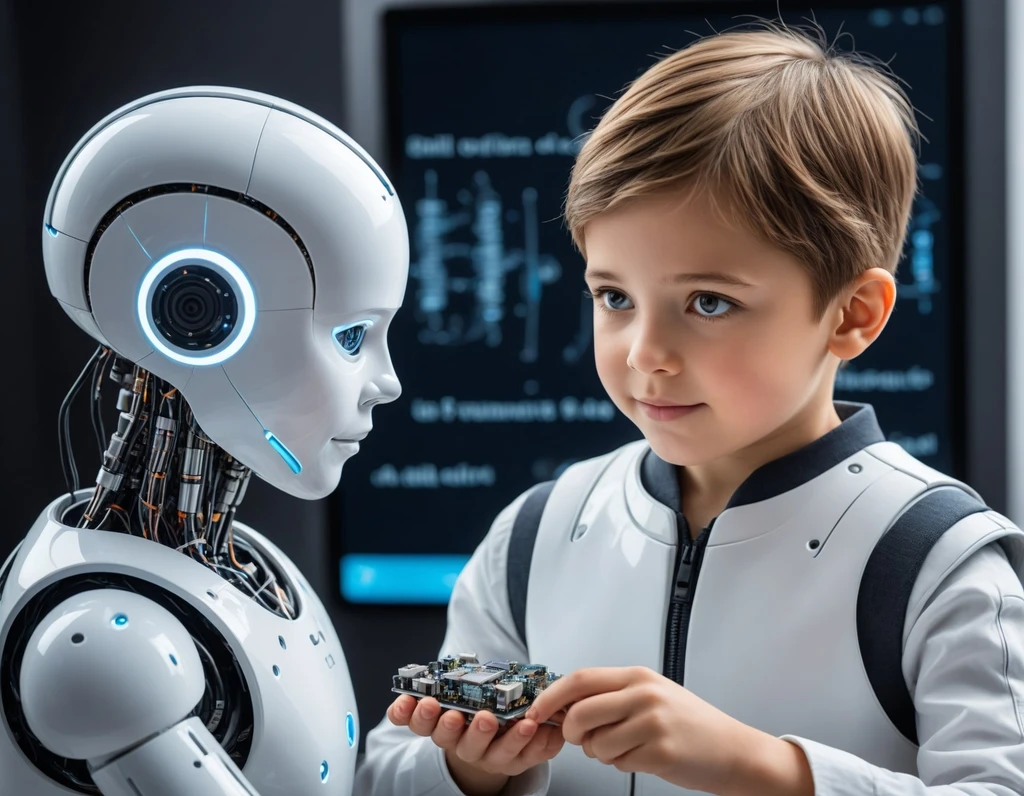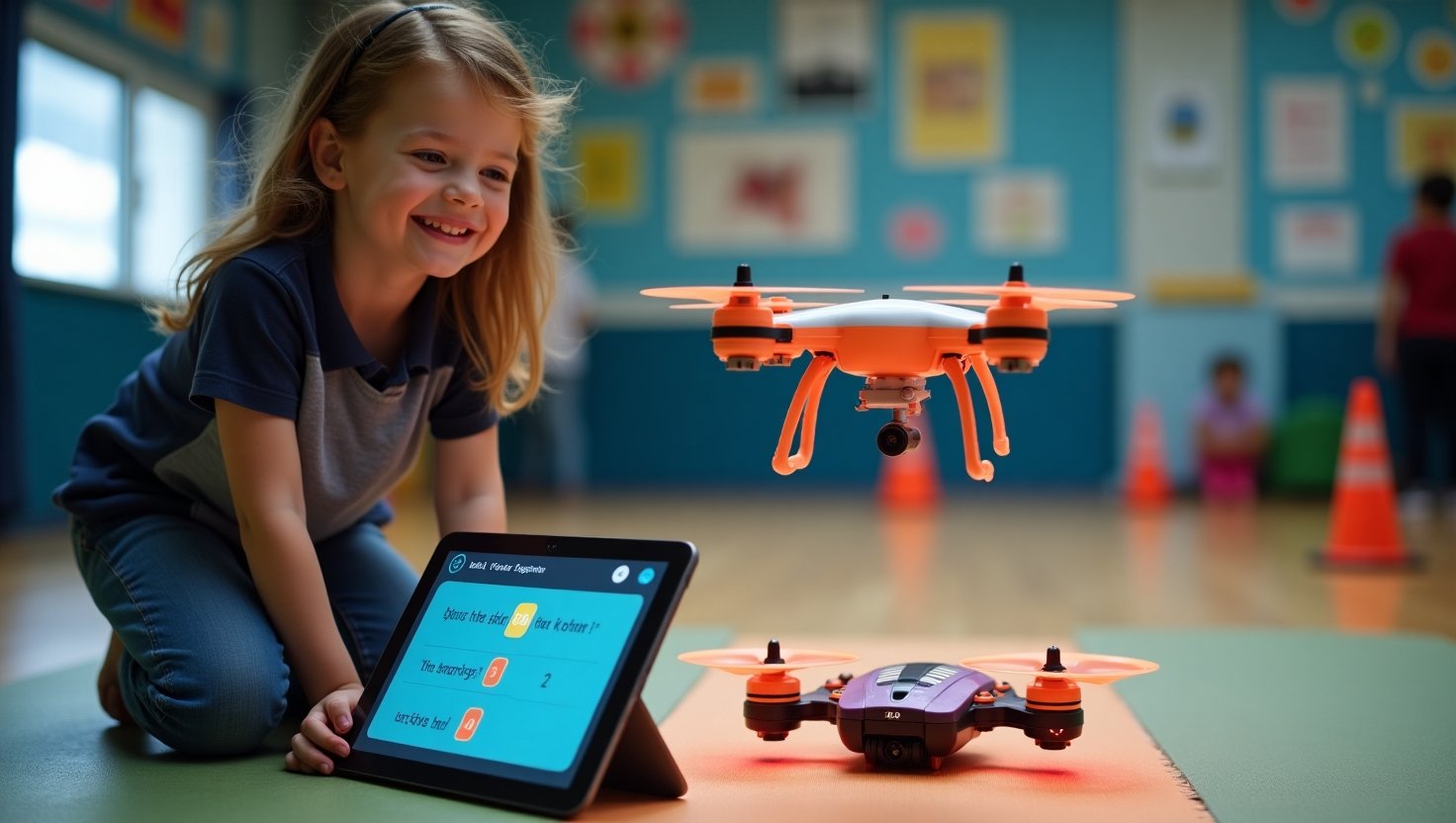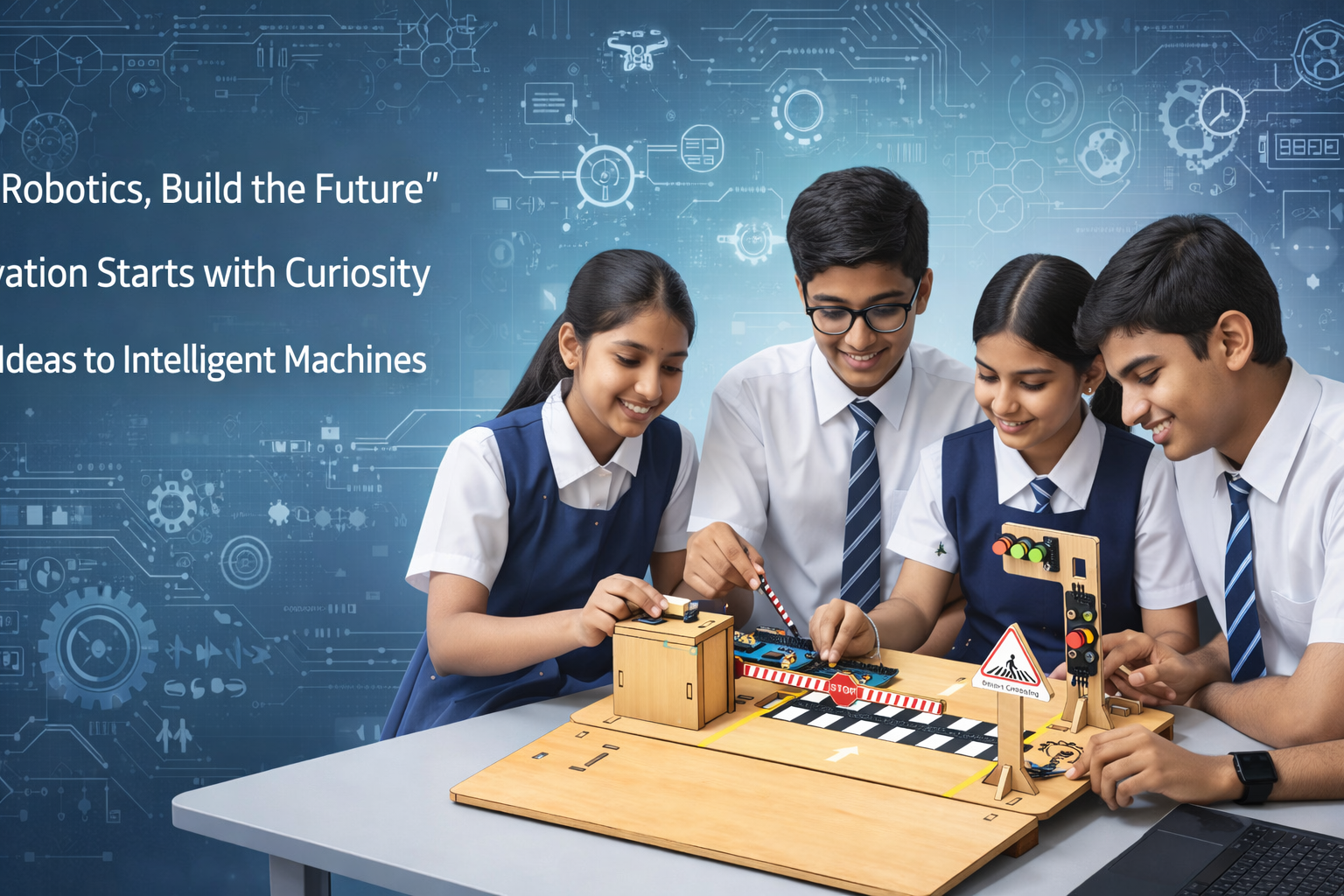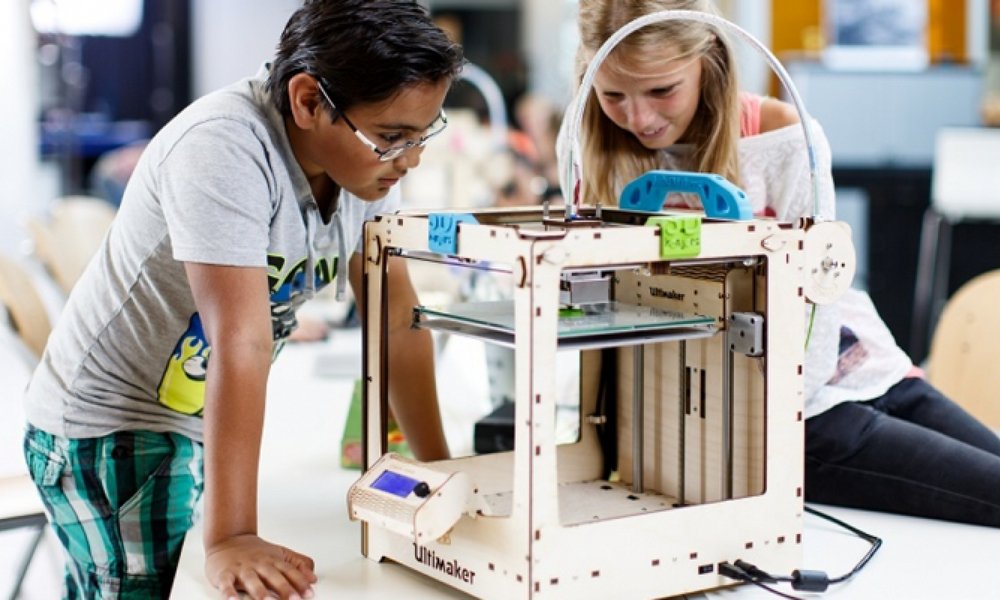

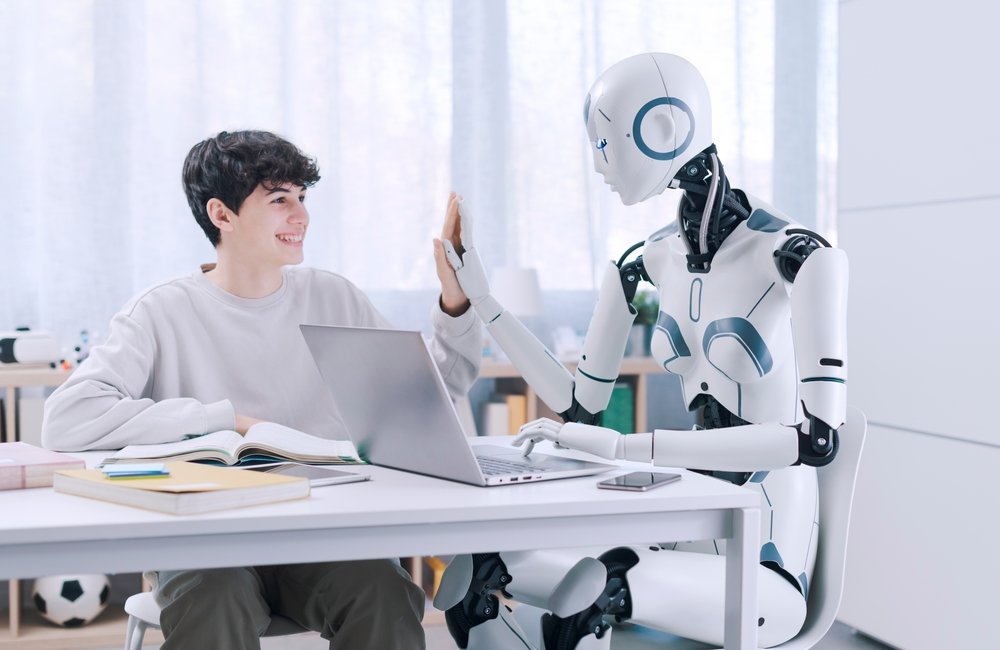
Technology is changing the world faster than ever before. From smart devices to artificial intelligence and automated machines, technology now plays a major role in everyday life. Because of these changes, the skills children need for the future are also evolving. Robotics education helps children understand technology in a practical and engaging way while preparing them for a future where innovation and digital skills are essential.
Robotics combines science, technology, engineering, and mathematics (STEM) into hands-on learning experiences. Instead of only learning theory from textbooks, children build, test, and experiment with real projects. This type of learning makes complex concepts easier to understand and keeps children interested in exploring new ideas.
More importantly, robotics education helps children develop valuable life skills such as critical thinking, creativity, and problem solving. These skills are important not only for future careers but also for everyday challenges.
Building Strong Skills Through Robotics
One of the biggest benefits of robotics education is the development of essential skills. When children work with robotics kits or simple programming tools, they learn to think logically and solve problems step by step. If something does not work as expected, they must identify the problem, test different solutions, and improve their design.
Robotics also helps children understand STEM subjects in a more practical way. Concepts from mathematics and science become easier to understand when children apply them in real projects. For example, building a robot may involve measuring distances, understanding movement, or programming instructions.
Another important benefit is creativity. Robotics encourages children to experiment and create their own ideas. They can design robots to complete simple tasks or solve challenges. This process helps them think creatively and develop innovative solutions.
Robotics activities often involve teamwork as well. Children work together to design, build, and program their robots. This helps them learn how to communicate, share ideas, and collaborate with others.
Preparing Children for the Future
The future will be shaped by technology, automation, and artificial intelligence. Many industries such as healthcare, agriculture, and transportation already rely on robotics to improve efficiency. As technology continues to grow, many careers will require strong technical and problem-solving skills.
Robotics education helps children understand how technology works rather than just using it. They gain early exposure to programming, engineering, and digital tools, which can inspire interest in future careers in technology.
Another important benefit is adaptability. Technology changes quickly, and robotics encourages children to stay curious and continue learning. It helps them become confident in exploring new technologies and solving complex problems.
Robotics also encourages innovation. Children begin to see how technology can be used to solve real-world problems, from helping farmers monitor crops to assisting doctors in medical procedures.
A Smart Investment in Your Child’s Future
Robotics education is more than just learning to build robots. It helps children develop confidence, creativity, and problem-solving skills that will benefit them throughout life. By introducing robotics early, parents can give their children a strong foundation in technology and innovation.
As the world becomes more technology-driven, robotics education can help children become creators, thinkers, and future leaders rather than just users of technology. It is a valuable step toward preparing them for the opportunities and challenges of tomorrow.